
We tend to treat clarity as a mental achievement.
Something we arrive at through effort, analysis, or discipline. If clarity is missing, we assume we need to think harder, focus more, or find better tools.
But clarity does not behave like an achievement.
It behaves like a condition.
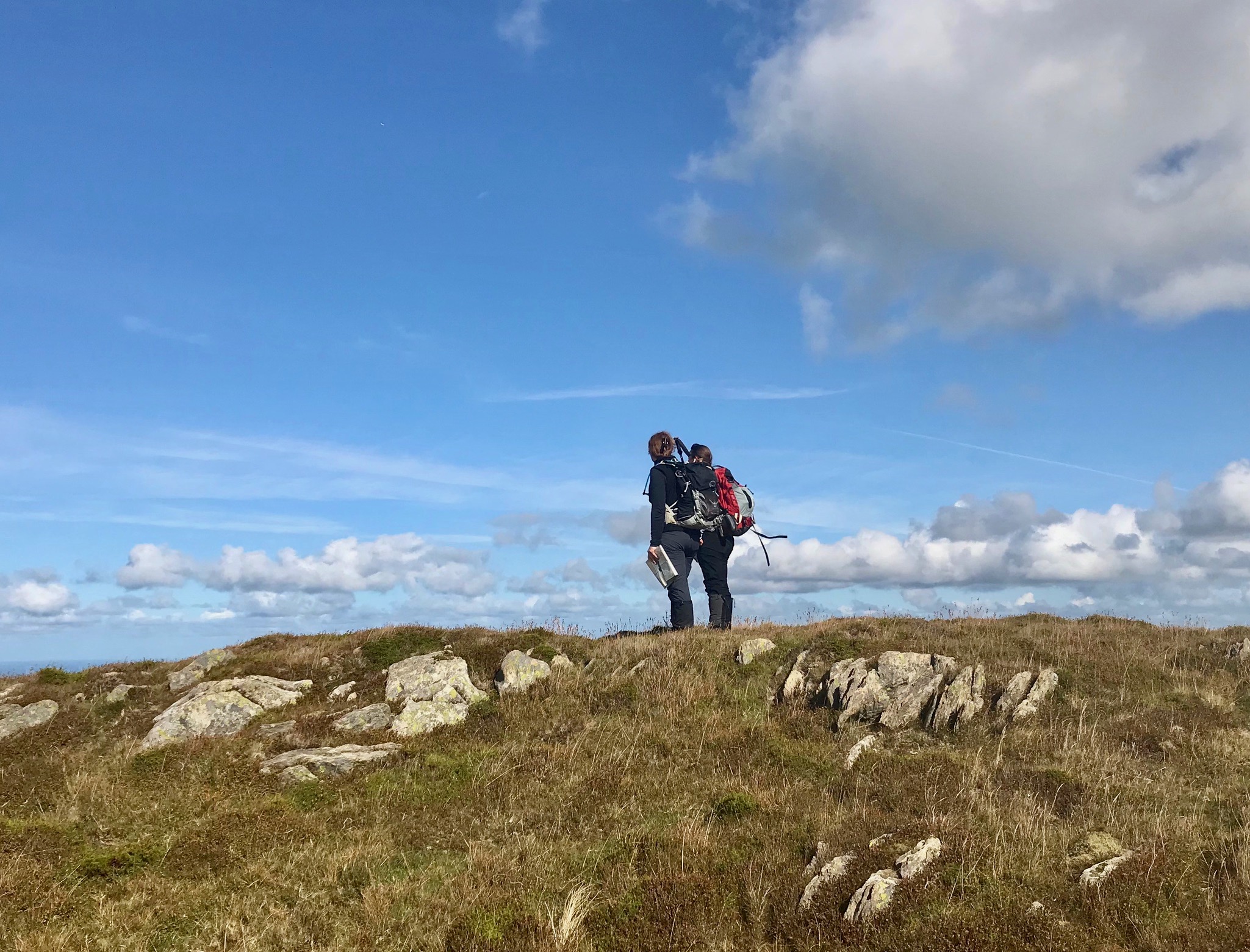
When people describe moments of genuine clarity, they rarely describe mental exertion. They describe space. Distance. Stillness. Walking. Being outside. Time loosening its grip.
This is not coincidence.
Clarity depends on the relationship between attention and environment. When attention is constantly demanded, compressed, and abstracted, perception becomes defensive. Thought accelerates, but orientation diminishes. We continue deciding, but with less confidence in the direction we are heading.
In such conditions, the problem is not lack of intelligence.
It is lack of proportion.
Natural environments restore proportion automatically. Distance widens attention. Complexity softens fixation. Movement integrates thinking with the body rather than isolating it in the head. Time slows not because we force it to, but because urgency loses its authority.
This is why clarity often arrives after we stop trying to produce it.
Not because nature gives us answers, but because it removes the conditions that prevent us from recognising them.
For people whose decisions affect others – leaders, founders, investors, artists – this distinction matters deeply. Clarity is not a personal preference. It shapes what is built, what is sustained, and what is let go of.
If clarity is an environmental condition, then the question is no longer how to think better.
The question becomes: What kind of environments are we allowing our thinking to take place in?
 Garry Pratt | Outside Thinking